
Understanding Before Delivering:
A New Standard in the Construction Materials Industry by PCS Formworks
Number of employees: 110
Industry: Design and Supply of Formwork, Falsework, Safety Products,
and Temporary Facilities for Construction Project Sites

When we first prepared for this interview with Mr. Karl Ong, we assumed terms like "customer journey" or "customer-centricity" didn’t quite belong in the construction supply industry. But then the more we spoke, the more we realized we were talking about the same thing.
With years of experience on the customer side, Sir Karl brought a unique perspective to what is often seen as a purely transactional business. What follows is an inspiring conversation, not just about customer service, but also about leading change.


FROM SUPPLY TO SUPPORT
Can you start by introducing PCS Formworks and the core services you offer?
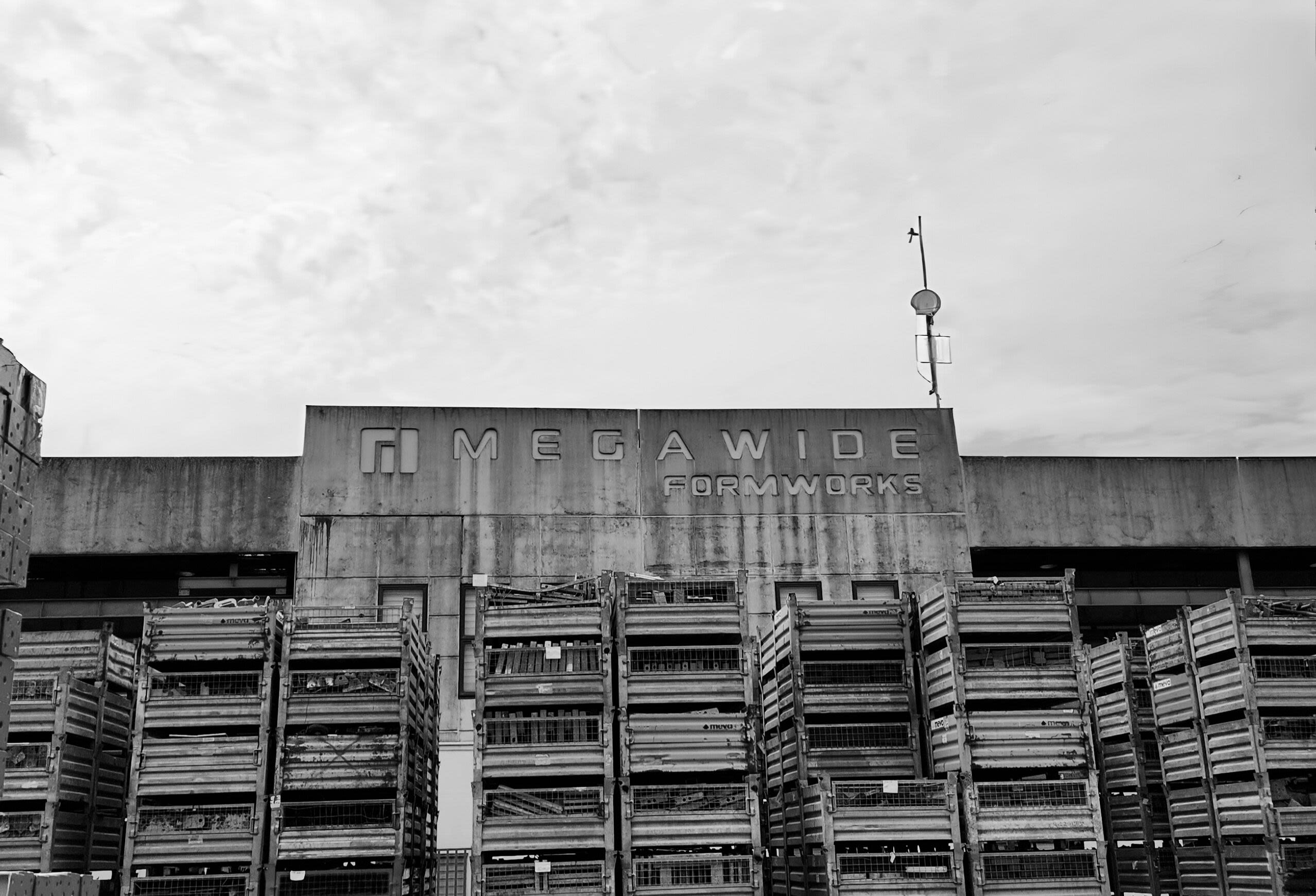
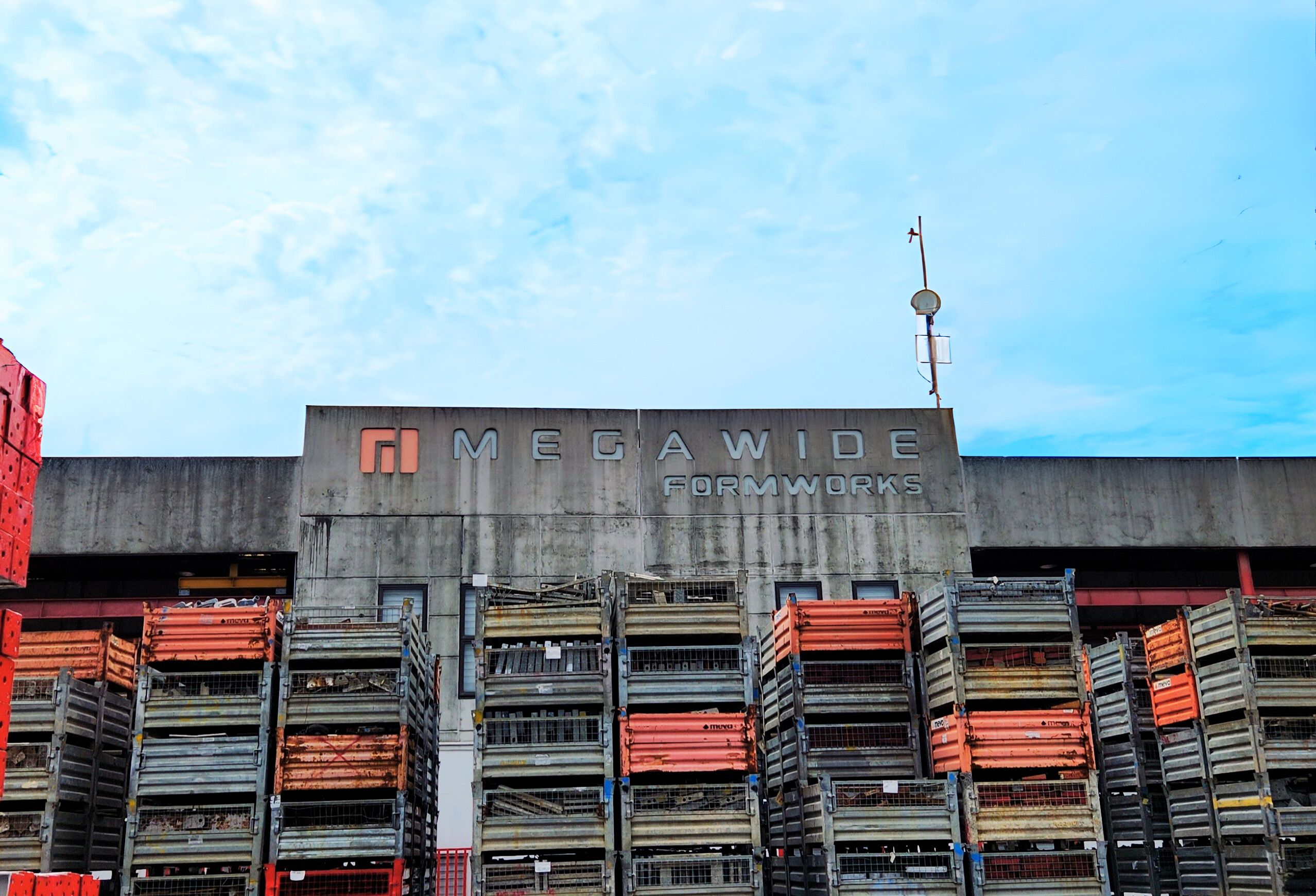
Let me start by explaining our organization and where our business unit fits. Megawide is a conglomerate, and we’re part of its Precast and Construction Solutions (PCS) division. Within PCS is the Formworks business unit. So there are three levels: Megawide, PCS, and then the Formworks unit.
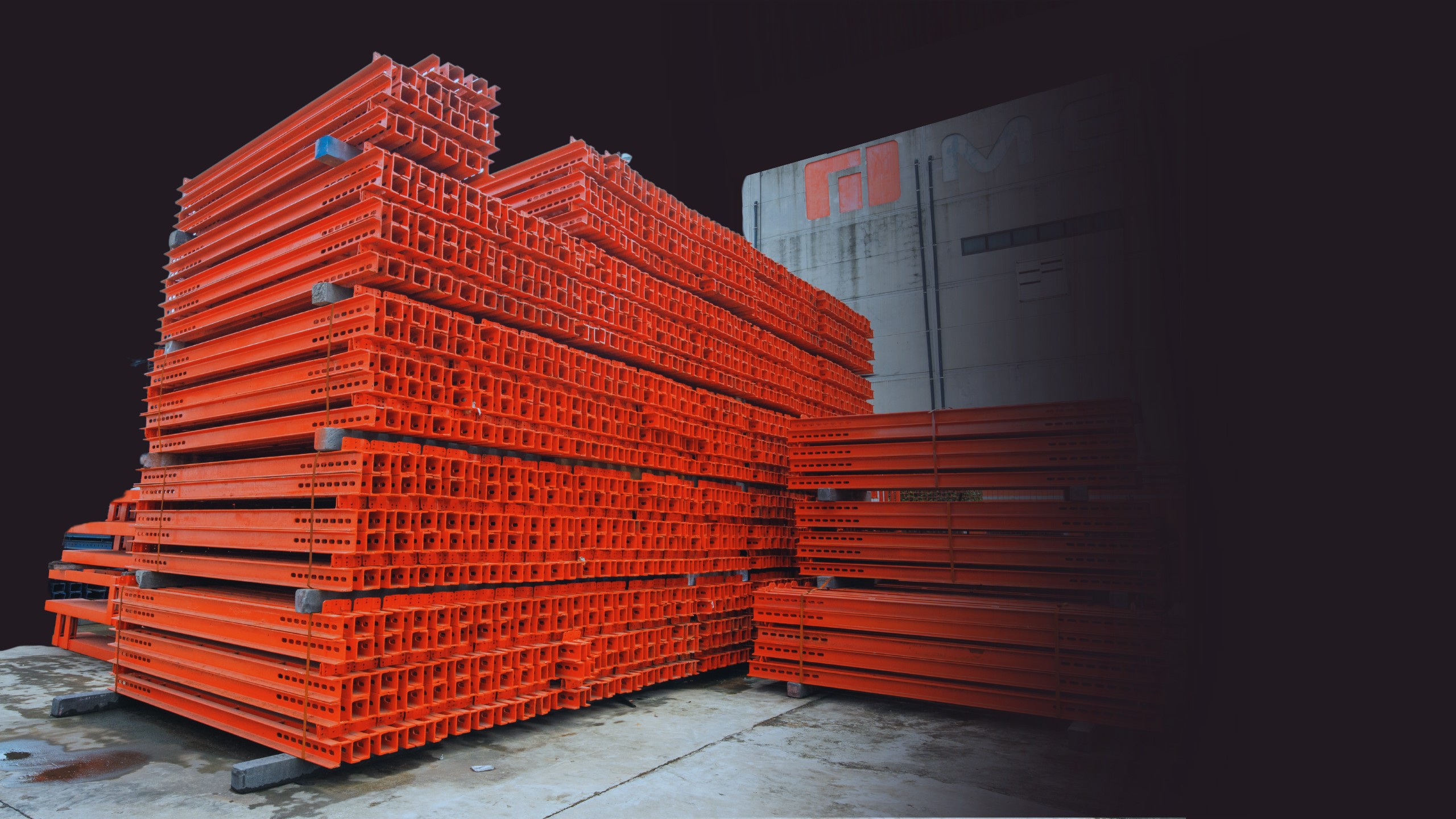
This unit was formed because Megawide, originally a construction company, started importing formworks and falsework systems from countries like Japan and Europe nearly 20 years ago for their projects. Over time, we built up a large inventory and saw an opportunity to offer these materials not just for internal projects, but to the wider market.
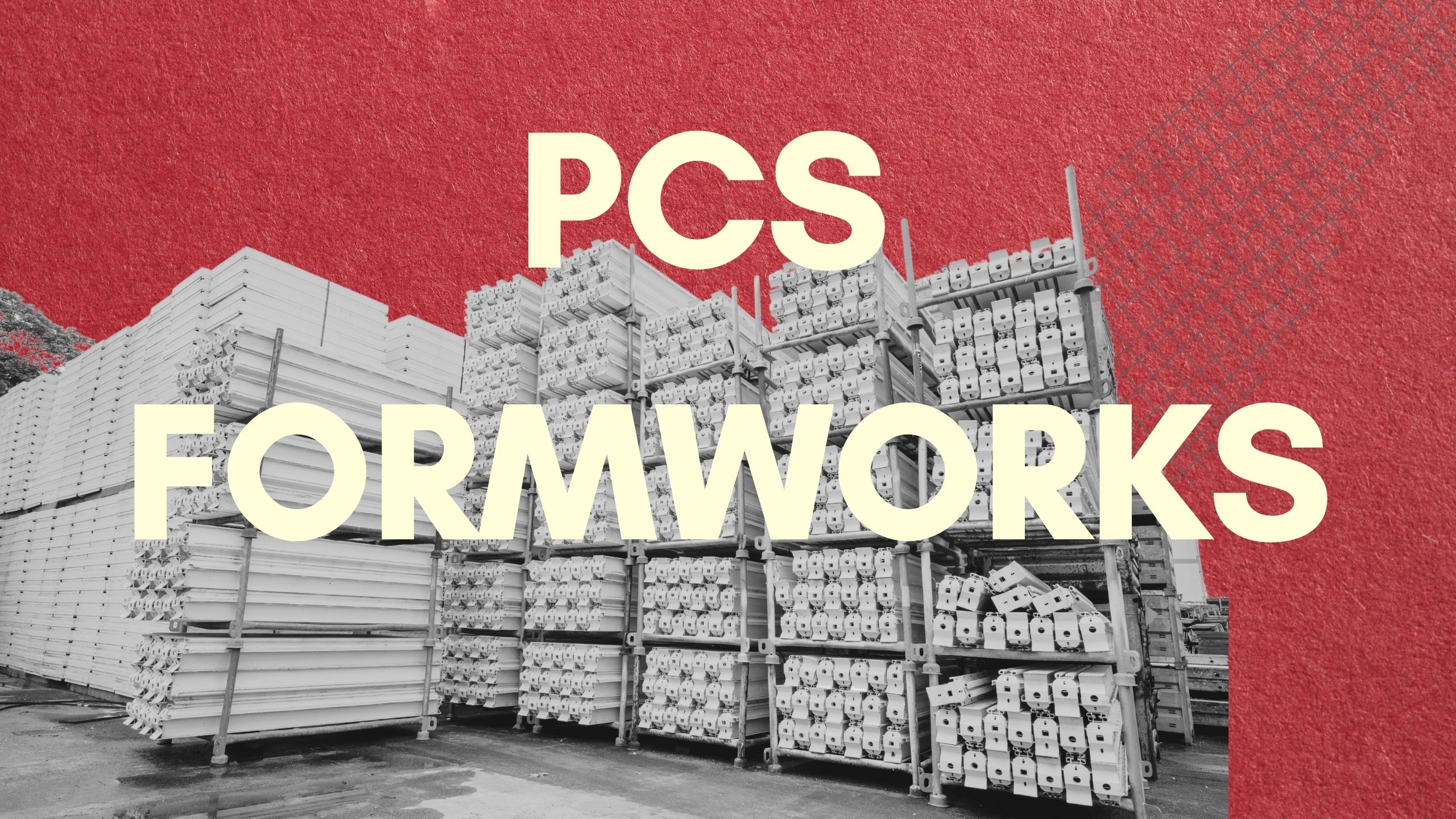
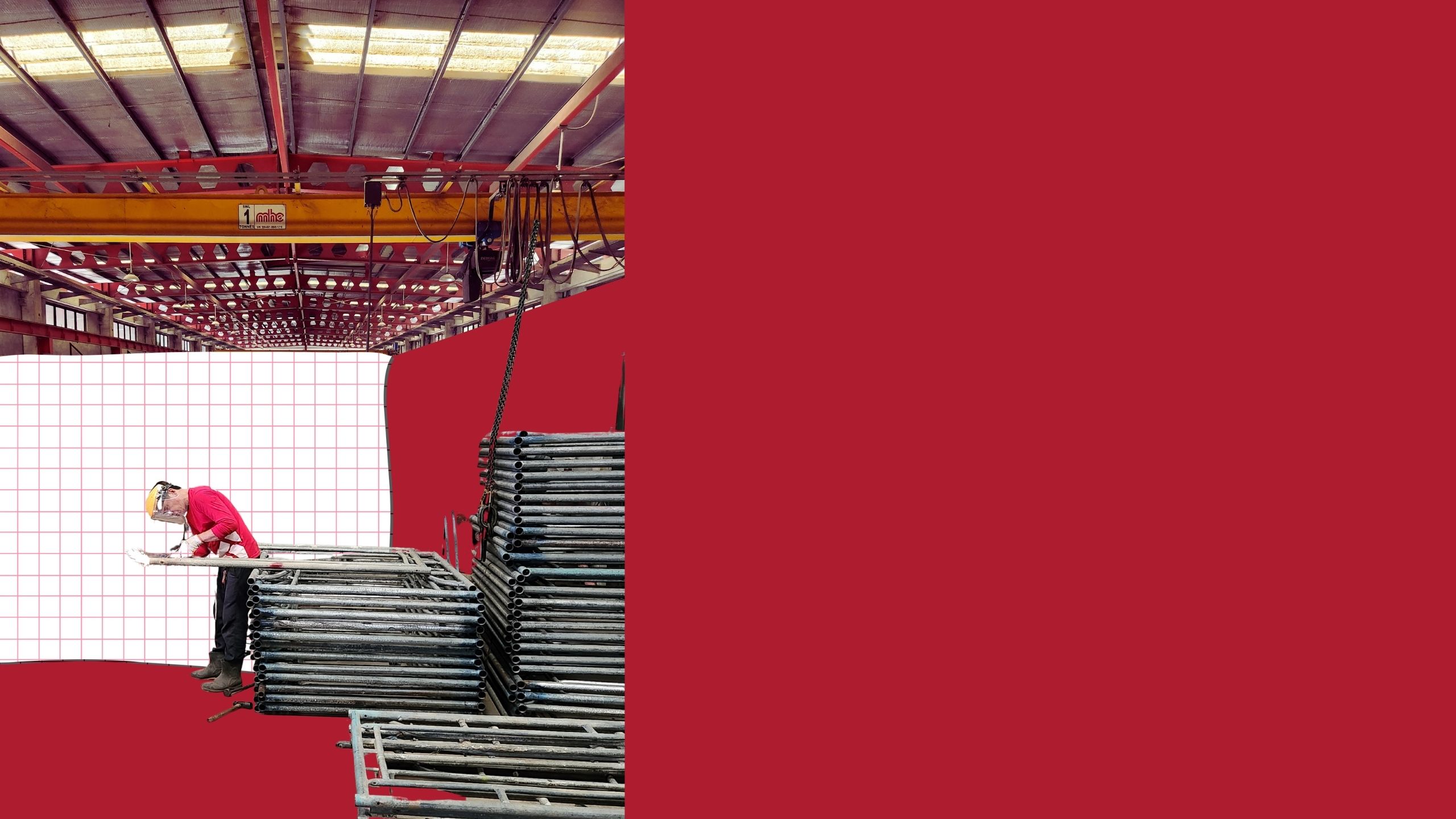
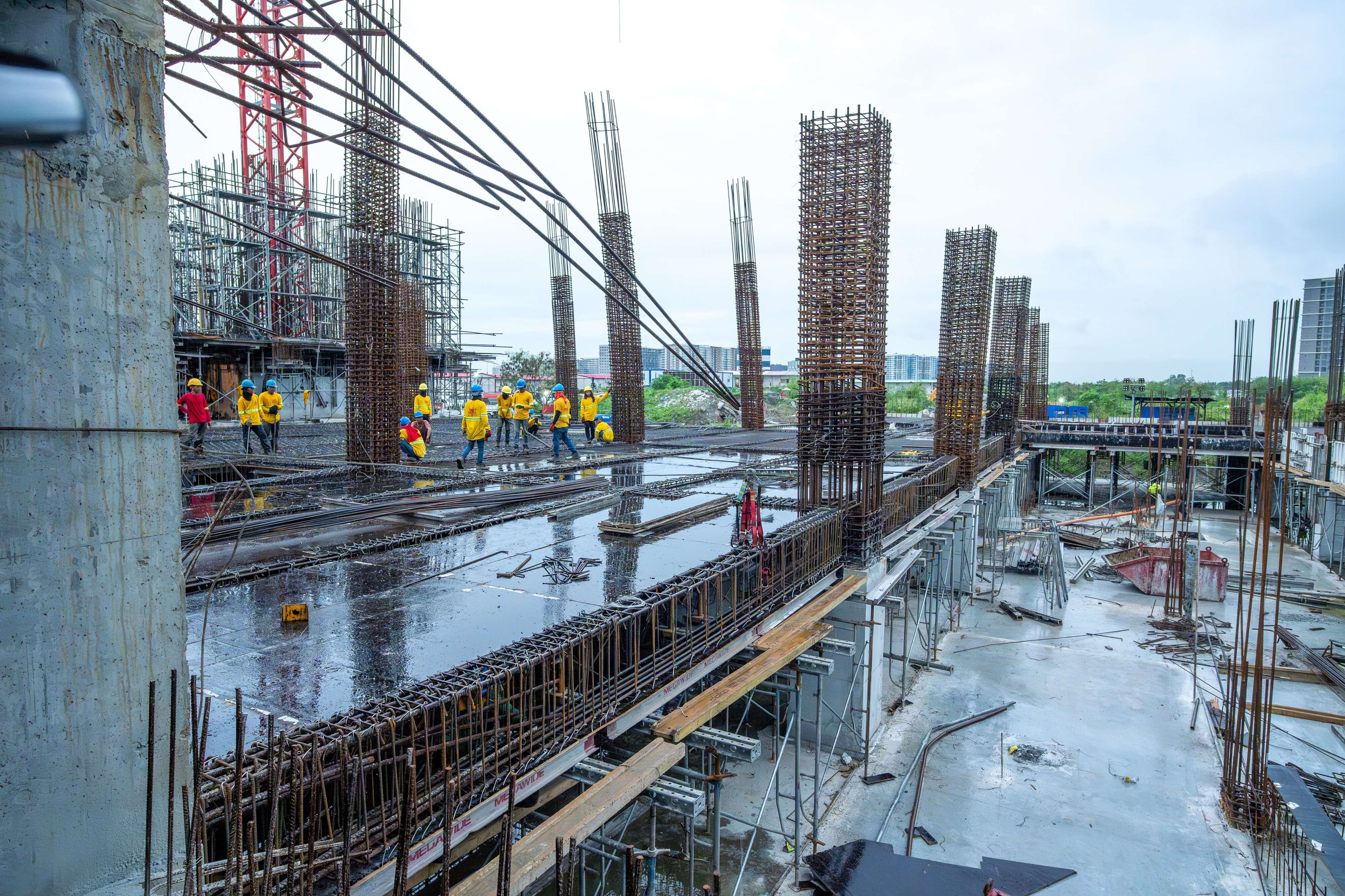
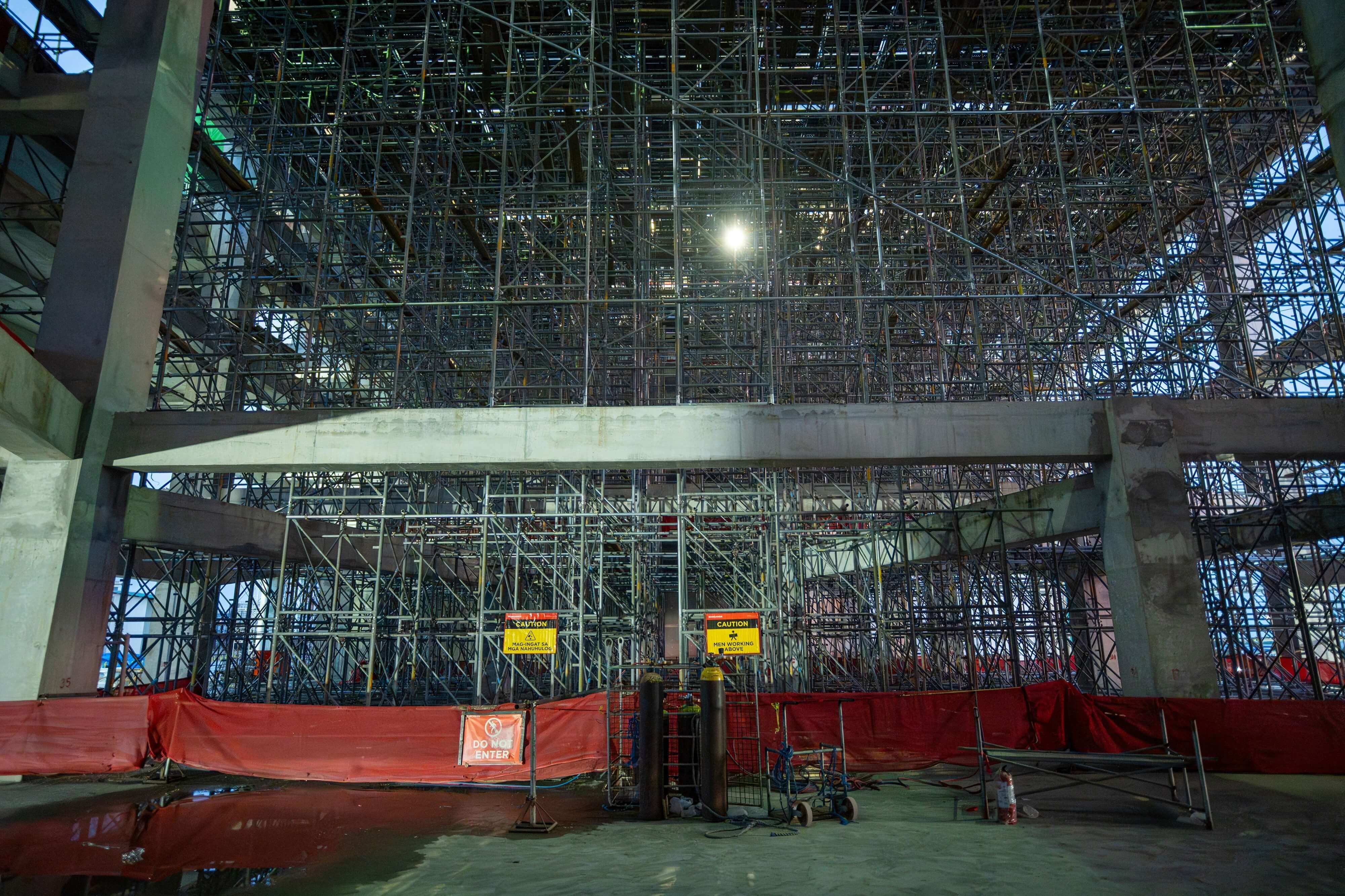
Our core business is the design and supply of formwork systems, which shape concrete structures before pouring, and falsework systems, which provide temporary support and safety, such as scaffolding and protective nets. We rent and sell these systems, and because not all rental items are brand new, we’ve built strong in-house capabilities for cleaning, repair, and restoration so that everything meets our quality standards.
As more contractors begin managing their own inventory and sourcing from multiple suppliers, maintenance has become a growing challenge in the industry. With our existing expertise, we now see increased demand for rehabilitation services. This shift signals a larger trend, as companies look to extend the life of their materials rather than invest in new ones each time.
Who are your typical customers, and what does their journey with PCS Formworks look like from start to finish?
Our frequent customers are contractors, as they’re the ones directly handling construction and in need of materials for their projects. We work closely with them, starting from the moment they share their project requirements. Those familiar with our products already know what to order, but for first-time users, we take time to understand their needs and recommend the right solutions.
Next, we quickly provide an initial proposal and pricing, aiming to secure the project. Once the contract is signed, we prepare a detailed, project-specific solution and confirm it with the client before delivery.
When the materials are delivered, some clients, especially new ones, request site supervision, so we send a team to help guide them on proper usage. But our involvement doesn’t stop there. Construction projects often face changes or delays, so we stay connected and provide support throughout the project.
After completion, we assist with the return process, inspecting the materials and checking for any missing or damaged items, which we discuss during the closeout phase.
So generally, we stay with our clients from start to finish. It’s similar to what Rework is doing - not just offering a platform, but helping clients build and apply it. Even though we’re a supplier, we don’t just deliver materials - we work side by side with contractors to make sure everything is used properly.
Would you say that your ability to consult clients is a unique advantage in this industry?
The construction industry indeed involves many complex steps, and it takes a high-level partner like PCS Formworks to navigate them effectively and provide thorough consultation.
There may be clients who are unfamiliar with these systems, so consulting them on the benefits of switching is part of our role. What sets us apart is that Megawide has used all the systems we offer in actual projects, so our recommendations are tried and tested. Many of our experts have been working with these systems for over a decade, so more than just materials, we provide both technical knowledge and site supervision, drawing from our work on many different projects. Over 20 years, we’ve also built a large inventory from more than 10 manufacturers, helping developers source everything in one place.
The recent changes in the market require us to acquire new approaches. Instead of full system packages, clients now often request only specific components to reduce costs. In response, we’ve adapted our offering to be more flexible and customer-centric, tailoring solutions to their needs, whether it’s a complete system or just a few components.

"Even though we’re a supplier, we don’t just deliver materials - we work side by side with contractors from start to finish."
Karl Ong, Deputy Head of PCS Formworks
SIMPLIFY FOR CUSTOMERS. CUSTOMIZE
FOR TEAM

How do you personally define customer-centricity, especially in your line of work?
For me, customer-centricity starts with truly understanding your clients. It’s easy to say you know them, but real understanding takes time. Customers may tell you what they need, but that’s not always the full picture - sometimes there are things they don’t mention or even realize themselves. That’s why you have to spend time engaging with them. If someone tells me they understand a customer after just one meeting, I don’t think that’s enough. There’s value in every experience you have with the customers, so constant engagement is required.
Even losing a deal in the first place isn’t always negative. Even when we do things right, there will still be times when a client chooses someone else. But each loss offers a chance to improve - whether it's learning more about the client's expectations or understanding our competitors’ strategy. That’s why I always take time to reflect on why we lost and how we can do better next time.
Next, being customer-centric is also to offer what customers need. You can have the best products and services, but if you sell them the same way to everyone, it won’t always work. You have to adjust your messaging, your solutions, and your way of communicating to match each client’s needs.
Another important part of being customer-centric is making the process easier for them. I’ve seen companies with processes so complex they frustrate both their teams and their clients. If a client has to fill out 10 different forms just to get something, that’s unnecessarily complicated. Being customer-centric means simplifying the experience and making it easier for them to work with you.
What makes delivering that kind of customer experience challenging?
In B2C businesses like retail, selling is simple - you offer a product, and the customer buys it. But in B2B, especially in our industry, no two clients have the same needs. Even a slight modification in the requirement requires a customized approach. From our side, this can add complexity to the process, but at the same time, we have to make sure that our clients don’t feel this complexity. Instead, they should feel like we’re simply following a structured, smooth, and consistent process.
Even if we’re customizing behind the scenes, the client should experience a clear approach, while the internal team still follows our operational standards. I believe that is my focus on process improvement - making complex operations feel simple, not just for the client but also for our own team.
"Even if we’re customizing behind the scenes, the client should experience a clear approach, while the internal team still follows our operational standards."

What’s the one step in your service process that absolutely can’t go wrong, and how do you make sure it doesn’t?
The most critical stage in our process is material delivery. If we send the wrong items or make a design error, it can lead to serious delays, not just for the contractor but also their client, the developer. Any mistake on our end can be costly, so we must get this part right.
From what I’ve observed, mistakes and quality issues usually happen when we’re rushing, especially during backlogs or tight deadlines. The solution to that, I believe, is proper planning. We have to shift from being reactive to proactive.
We also focus on training and presence. Some of our workers have been doing the same tasks for over 10 years and may get used to their own routines. Sometimes they forget certain details or steps, so we need to constantly remind them. That’s why being present in the production area is important. Our office is inside the yard, so when I step out, I can immediately see what’s happening. Just walking around and observing creates a sense of monitoring - not necessarily pressure, but a presence that keeps everyone aware of their work.
The highest level of quality assurance, for me, is designing systems that make mistakes impossible. Right now, we still rely on manual data input, which lacks automatic validation. Ideally, systems should help catch errors early - that’s why I see potential in tools like Rework.


TURNING VISION INTO ACTION
What was the biggest shift for you when you moved from a department role to leading an entire business unit?
Moving into my current role as a business head comes with a lot more complexities.
When you work in one department, you’re mainly focused on your own processes. But now that I’m accounting for everything, I have to think beyond just one area: not just sales, but also finance, warehouse management, technical operations, and the engineering team. I have to learn how all these different departments connect and work together, spot gaps across departments, and make sure everything runs smoothly across the board.
While most people focus on daily tasks, a leader must look at the bigger picture, initiating and driving projects that move the company forward.
For example, we’re currently rolling out Rework as a platform. As a leader, it’s my role to push that initiative, making sure that the team understands it, gets involved, and eventually adopts it - so we’re not just keeping up, but actively building for the future.
As the youngest business head leading an experienced team and driving change, what challenges have you faced?
Thinking about the big picture and communicating that vision clearly so everyone knows the direction - it’s one thing. However, one challenge I’ve seen is that when it comes to execution, the scale of work can feel overwhelming. People see a long task list and don’t know where to start. That’s when I realized it's not enough to share the vision; you also need to break it down into manageable steps.
For example, when we introduced Rework, the team understood the goal but struggled with implementation. So I told them, “If [implementing] the whole sales pipeline is too complicated, let’s start with the customer feedback process first.” Once we broke things down, people started to take action.
I’m still learning how to operationalize a vision - to turn big ideas into something people can act on without feeling overwhelmed. That’s the challenge I’m working on now.

Is that the hard-learned lesson you would give to other leaders?
If I had one piece of advice, it’s that sharing your vision isn’t enough - people need to truly understand it. Agreement alone won’t lead to action.
That’s why sharing a vision isn’t a one-time announcement. It’s not about standing in front of a group at the start of the year and saying, “Here’s our plan for 2025.” It has to be part of everyday conversations, meetings, and our operations.
At PCSFormworks, we document our goals, including plans like Rework’s development, so everyone has a clear reference. At the leadership level, we review this monthly - tracking progress, identifying challenges, and aligning resources.
With the wider team, we focus only on what’s relevant to avoid overwhelming them. When someone brings up a challenge, I connect it back to the bigger direction.
By connecting their everyday concerns to the company’s direction, people start seeing why the vision matters and how their work contributes. This way, they don’t just follow the vision - they become more engaged and even step up to join projects that help drive the company forward.
This year, we’re pushing for more ambitious initiatives. Sometimes it feels like we’re moving in many different directions, with so many changes at the same time.
But I believe we have to trust the process. Big initiatives take time. There are moments when I catch myself questioning if we’re really on the right track, but deep inside, I have trust in the team and in the vision we set together.
This direction wasn’t decided by me - it was a collective effort with the entire management team. So I believe that if we stay committed, by the end of the year or even in the next few years, we’ll start to see the results of all the work we’ve put in.
"Sharing the vision in a one-time announcement isn't enough; you also need to break it down into manageable steps and make sure people understand."





Part of DX Leaders · Philippines Edition · May 2025 series
Powered by Rework.com, your partner in operational excellence
Subscribe for more stories at https://resources.rework.com
Contact us: contact@rework.com
 Built with Shorthand